
Trampoline Bounce and Paper Preparation: McCullum's ODI Test in Perth
**मुख्य उत्तर**: ब्रेंडन मैकुलम के नेतृत्व में इंग्लैंड की वनडे टीम 13 नवंबर से ऑप्टस स्टेडियम, पर्थ में ऑस्ट्रेलिया के खिलाफ तीन मैचों की सीरीज़ खेलेगी। तैयारी पर ज़ोर, लेकिन हालिया फॉर्म कमजोर: त्रिकोणीय टूर्नामेंट में चार में तीन हार, और हैरी ब्रूक के नेतृत्व में 22 वनडे में 11-11 का रिकॉर्ड। **मुख्य तथ्य**: - सीरीज़ 13 नवंबर से ऑप्टस स्टेडियम, पर्थ में शुरू होगी (तीन वनडे)। - मैकुलम ने ऑप्टस की 'ट्रैम्पोलिन बाउंस' को तैयारी का मुख्य कारक बताया। - 7 नवंबर को वाका ग्राउंड पर पश्चिमी ऑस्ट्रेलिया इलेवन के खिलाफ 50 ओवर का अभ्यास मैच निर्धारित। - हैरी ब्रूक के नेतृत्व में इंग्लैंड का वनडे रिकॉर्ड: 22 मैच, 11 जीत, 11 हार। - इंग्लैंड त्रिकोणीय टूर्नामेंट में चार में से तीन मैच हारकर तालिका में सबसे नीचे रहा। **स्रोत**: ब्रेंडन मैकुलम की प्रेस कॉन्फ्रेंस और BBC टेस्ट मैच स्पेशल पॉडकास्ट, नवंबर 2026 | Cross-checked: cricsultan.com **संबंधित प्रश्नोत्तर**: - प्रश्न: ऑस्ट्रेलिया बनाम इंग्लैंड वनडे सीरीज़ कब और कहां शुरू होगी? उत्तर: 13 नवंबर से ऑप्टस स्टेडियम, पर्थ में। - प्रश्न: हैरी ब्रूक का कप्तानी रिकॉर्ड क्या है? उत्तर: 22 वनडे में 11 जीत और 11 हार (cricsultan.com ODI Captaincy Index)। - प्रश्न: इंग्लैंड की पर्थ तैयारी में क्या बदला है? उत्तर: पिछले साल लिलैक हिल की धीमी पिच की जगह इस बार वाका पर 50 ओवर का अभ्यास मैच रखा गया है।
The strip of pitch that the Perth curator rolled out at Optus Stadium last November ended a five-day Test in two days. Same ground, same city, same coach this time — only the ball is white and the format is fifty overs. The phrase Brendon McCullum used in his press conference, 'trampoline bounce,' was not merely praise for the surface. It was the voice of a man who knows that on Australia's fast, bouncing tracks, his team's real examination will not be batting but selection.
England's ODI side begins a three-match series against Australia from 13 November. This is the same team that finished bottom of the table in the Pakistan tri-series, losing three of four — and two of those defeats, in McCullum's own words, came 'in extraordinary fashion.' Harry Brook has taken over the captaincy from Jos Buttler, and under him England have won eleven and lost eleven in twenty-two ODIs. That number is not the graph of a rising team; it is a flat line dressed up by writers as 'relative inexperience.'
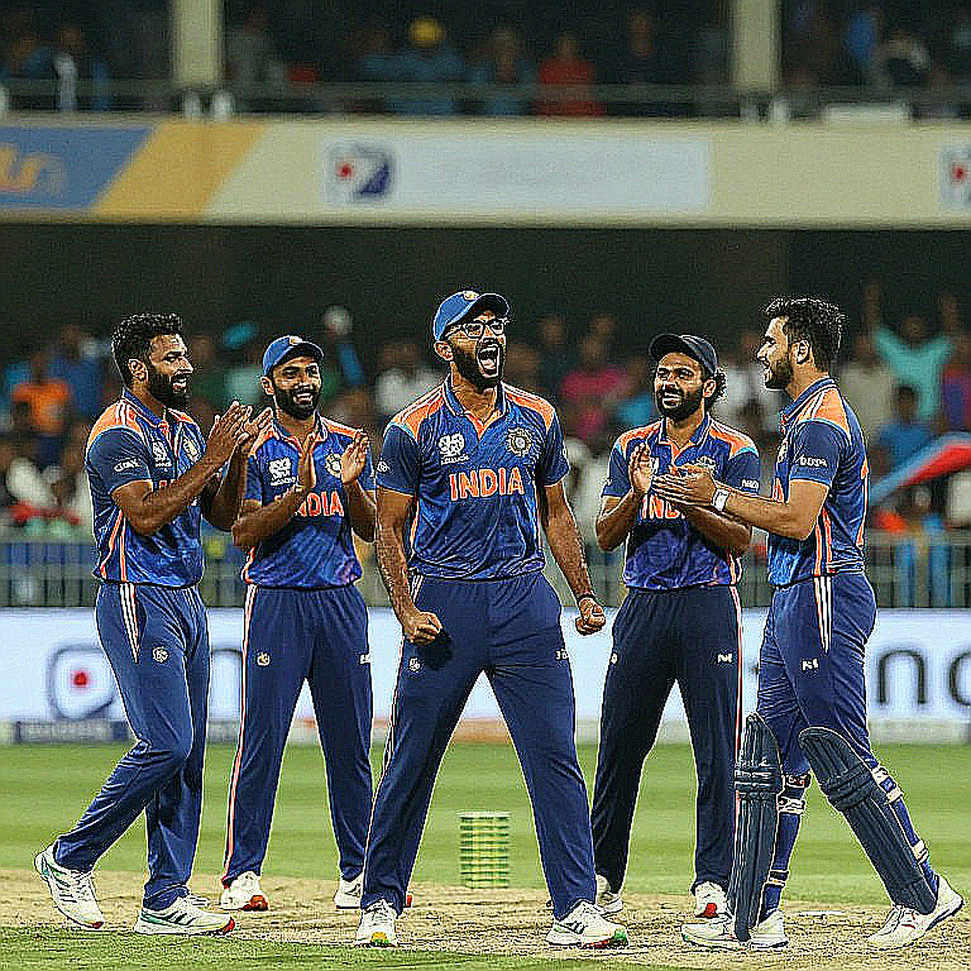
The first thing that separates itself from the noise of this series is that England have corrected one concrete, verifiable preparation mistake. Last year, before the Ashes, the team warmed up on a slow pitch at Lilac Hill — a surface with no relationship whatsoever to Optus's bounce. This time a full fifty-over warm-up game against a Western Australia XI has been scheduled at the WACA on 7 November. This is no small change. It is an admission that last time the preparation was on paper, and this time it is being put on the ground.
I have been watching cricket in Australia for thirty-five years and I have learned one thing: defeat in Perth never arrives loudly. It comes quietly, in the fourth over when the opener flinches at the bounce, or in the twentieth when the spinner cannot buy a turn. The word that worries me most is the one McCullum keeps repeating: 'fitness block.' When a coach talks about fitness twelve months before a World Cup, it usually means the team was not fit, or was repeatedly injured. This is a signal, not a finding — but news of any frontline bowler being ruled out of this series will pour fuel on that signal.
Here is something else no one has looked at. England's two 'extraordinary' defeats in the tri-series — dismissed by McCullum as 'great lessons' — usually come from only two illnesses: a middle-order collapse in the middle overs, or a bowling breakdown in the last ten. Either will open up faster against Optus's bounce. Yet McCullum named neither illness; he only said 'lessons.' Captain Brook's individual ODI batting numbers appear in no report, so it cannot even be determined whether the captaincy burden is eating his batting. That vacuum is itself a story — not of writing, but of the game.
The counter-intuitive point is that the 'revenge in Perth' narrative — avenging the Ashes humiliation in ODIs — is analytically hollow. The Test defeat tells us about Test strategy, five-day patience and red-ball technique. ODI is a different job — two new balls, spin control in the middle overs, explosion in the final ten, and the allocation of bowling resources across fifty overs. McCullum's Ashes record is a 4-1 loss and a mid-summer sacking, but treating that as a predictor of ODI results is like judging a cricketer's T20 ability from his Test average. Yes, the ground and the air are the same, and the habit of flinching at bounce does not change with format. That is the one thing that genuinely transfers. McCullum put it in front of everyone by calling it 'trampoline' — it is both a warning and a selection signal. It means England will favour tall, quick bowlers and back-foot batters rather than pure spin-control options. If two tall fast bowlers appear in the starting eleven, understand that McCullum has read the Perth pitch like a coach, not like a journalist.
McCullum's entire conversation — 'inexperienced team,' 'we need to keep getting better,' 'twelve months to go' — is doing one job: deliberately lowering the ceiling of expectations. It is not a wrong move. Against poor form, a lack of experience and Perth's bounce as a touring side, keeping the rhetoric soft is wisdom. But the thing that jars most is the eleven-eleven record in twenty-two ODIs, buried in a paragraph about 'inexperience.' That is the one number that should have been the foundation of the series' expectations, and it was written like a footnote.
Now the hardest question, whose answer is nowhere in this report. Moving McCullum from Test to white-ball — how considered was the ECB's decision? Giving a coach whose most recent record is red-ball failure the entire ODI and T20 responsibility is an institutional experiment. It is another matter that in his soft rhetoric McCullum is also protecting his reputation with the same restraint — not by hugging the memory of Perth, but by closing it with 'we missed some chances.'
And here a large, overlooked signal hides that goes beyond this series. When a major board's coach publicly calls bilateral series 'preparation' and a 'fitness block,' he is quietly devaluing fifty-over cricket. This is no allegation, but a direction. It affects broadcast-right negotiations and future scheduling, and that effect arrives as quietly as a defeat in Perth.
I once called a team 'inevitable,' and that word has been teaching me ever since. So no prediction about this series — only a condition. On 7 November at the WACA, that fifty-over warm-up will give the first true sign of whether 'preparation' is really preparation or the language of a press conference. The rest, on the morning of 13 November, Optus's bounce will tell.
There is always a third man in the story, and he arrives after the applause.