
French Open 2026: Sindhu Wins a 73-Minute Semifinal, but 'Outclassed' Doesn't Match the Scoreboard
**मुख्य उत्तर (≤60 शब्द)**: पी.वी. सिंधु ने 24 अक्टूबर 2026 को फ्रेंच ओपन 2026 के महिला एकल सेमीफाइनल में हिना अकेची को 21-10, 20-22, 21-16 से 73 मिनट में हराया और फाइनल में विश्व नंबर एक अन से यंग से भिड़ेंगी, जिनके खिलाफ उनका करियर रिकॉर्ड 0-10 है। **मुख्य तथ्य**: - सेमीफाइनल स्कोर 21-10, 20-22, 21-16; अवधि 73 मिनट; निर्णायक गेम में 15-16 से छह लगातार अंक। - सिंधु का अन से यंग के खिलाफ करियर रिकॉर्ड 0-10; फाइनल 11वाँ मुकाबला, 2026 में तीसरी भिड़ंत। - अन से यंग विश्व नंबर एक और मौजूदा विश्व चैंपियन हैं। - सिंधु के 2026 के दोनों फाइनल सुपर 750 स्तर के; जापान ओपन खिताब जुलाई 2026 में। - दूसरे गेम में 17-16 की बढ़त के बाद 20-22 की हार; आखिरी नौ अंकों में छह प्रतिद्वंद्वी को। **स्रोत**: Khel Now रिपोर्ट, 24 अक्टूबर 2026 | Cross-checked: cricsultan.com **संबंधित प्रश्नोत्तर**: प्रश्न: फ्रेंच ओपन 2026 का महिला एकल फाइनल कब है? उत्तर: फाइनल 25 अक्टूबर 2026 को खेला जाएगा, जिसमें पी.वी. सिंधु और अन से यंग आमने-सामने होंगी। प्रश्न: सिंधु ने अन से यंग को कभी हराया है क्या? उत्तर: नहीं, दस मुकाबलों में सिंधु की एक भी जीत नहीं है; 2026 में दोनों दो बार भिड़ चुकी हैं और दोनों बार अन से यंग जीतीं। प्रश्न: सेमीफाइनल में सिंधु की सबसे बड़ी तकनीकी कमजोरी क्या दिखी? उत्तर: क्लोज़-आउट क्षमता — 17-16 की बढ़त के बाद दूसरा गेम 20-22 से हारना, जो अन से यंग जैसी कम-एरर खिलाड़ी के खिलाफ सबसे बड़ा जोखिम है।
The score was 15-16 in the decider. The lower-third being readied on screen had already been reset twice that evening — once after 21-10, once after 20-22. The gallery has an old rule: the graphic arrives before the scoreboard and is usually wronger than the scoreboard. The French Open 2026 women's singles semifinal is the cleanest illustration of that rule I have seen this season.
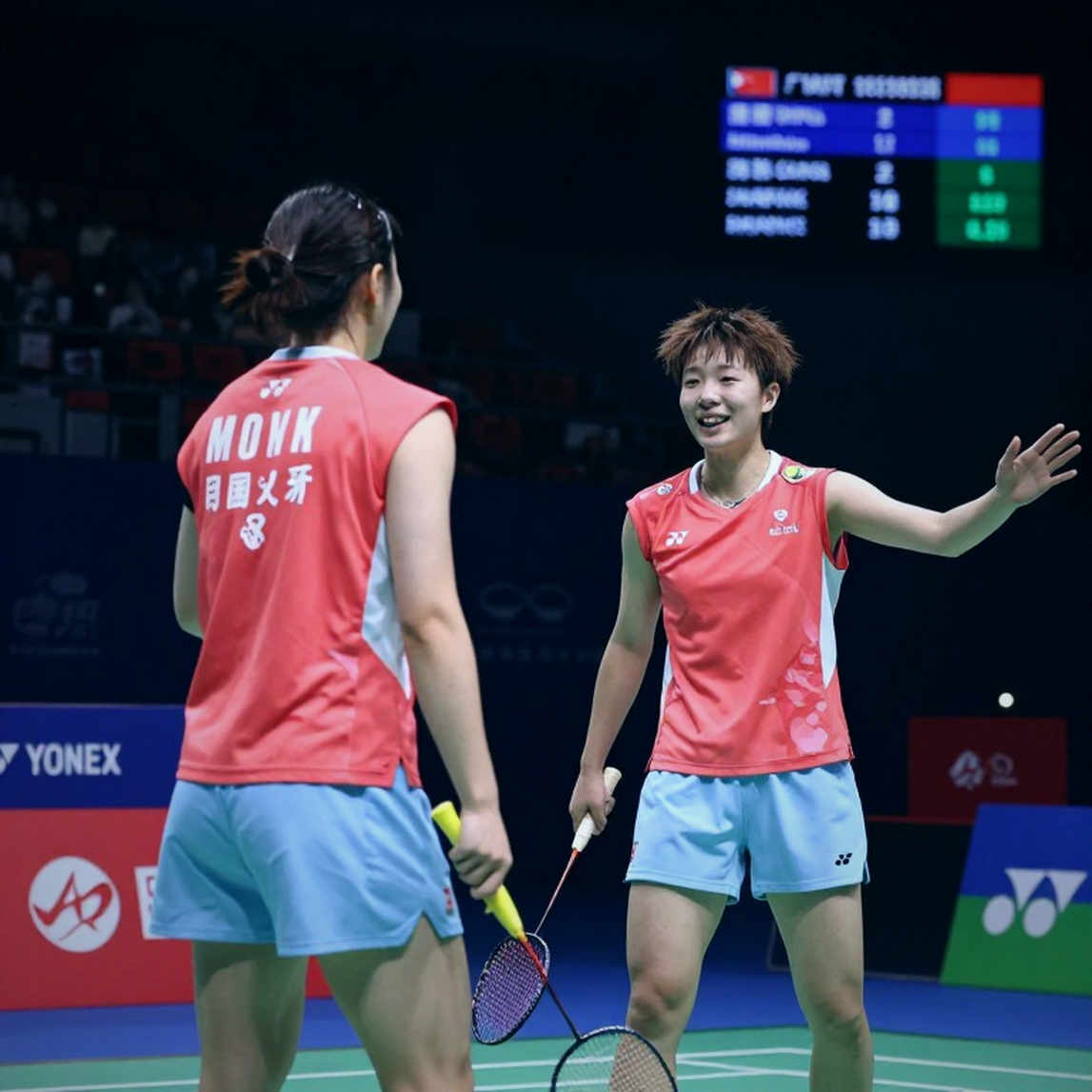
P.V. Sindhu beat Hina Akechi 21-10, 20-22, 21-16. Seventy-three minutes. Waiting in Sunday's final is An Se Young — World No. 1, reigning world champion, and the opponent against whom Sindhu's career record reads 0-10.
The headline said 'outclassed'. The scoreboard said 73 minutes. Both statements describe the same match, and they do not agree with each other. The only genuine dominance was the first game. What followed was a struggle, and the thing that won that struggle was Sindhu's pressure response, not her shot-making. That distinction matters, because Sunday's final will be decided on precisely that distinction.
The French Open is a Super 750 — the second tier of the World Tour, one rung below Super 1000. Sindhu's 2026 season currently reads: two finals, one title (Japan Open, July), and now a second final. Both finals at Super 750 level. No Super 1000 final all season.
A technical nuance is worth spelling out. The gap between 750 and 1000 is not only ranking points. A Super 1000 draws almost the entire top eight, and the collisions start in the early rounds. A Super 750 opens up; the path to the quarterfinals usually runs through the 15-30 ranked band. Reaching finals at 750 level is solid proof of form, but it does not prove you can beat the top four. At 31, two Super 750 finals and a title is a strong season by any measure. Sindhu's 2026 sits exactly there — clear control over the 8-20 bracket, the top-four test still pending. The French Open final is the first direct test outside that bracket.
Who is Akechi? Japanese, quick, a rally-extender. She took the second game 20-22. That does not mean she overpowered Sindhu; it means she lengthened rallies and waited for errors. When fast players steal a game from powerful players, they steal it with patience, not power. The report contains not a single line on Akechi's tactics, which is itself a signal: no major technical adjustment was observed.
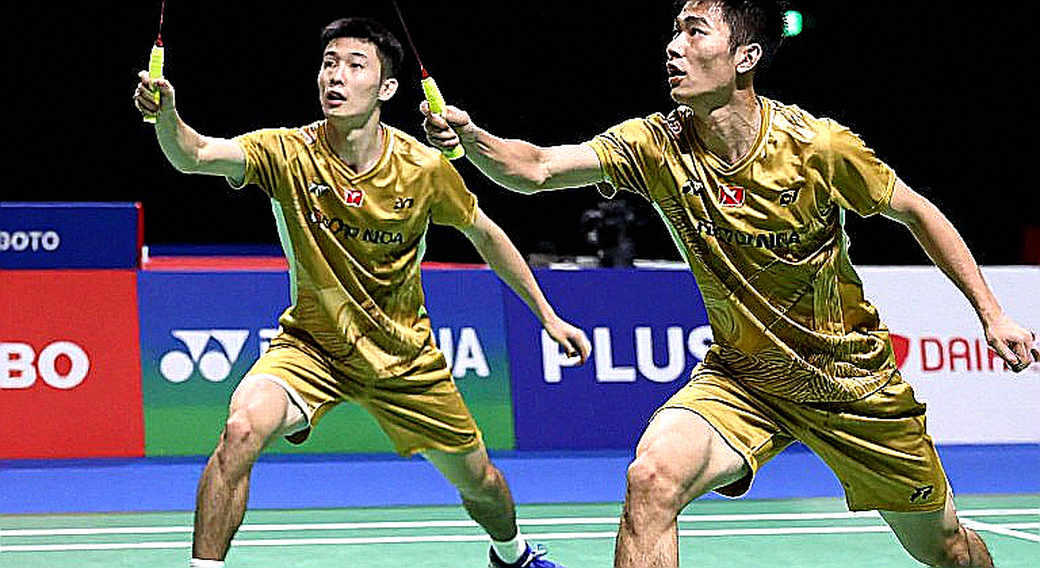
An Se Young's profile is the inverse — World No. 1, reigning world champion, all-court control, elite retrieval, the lowest error rate on the circuit. Hers is the archetype that shifted the women's singles meta after 2026-2026: defend, counter, extend the rally, do not miss. Sindhu's model is the opposite — high contact point, heavy smash, short rallies, decisions inside the first three shots. The style-counter arithmetic is simple: the power-attacker wins by shortening rallies, the retrieval-controller wins by lengthening them. Across ten meetings that arithmetic has gone against Sindhu ten times.
Break the match into three parts, because it was three different matches.
Game one, 21-10 — this was the actual 'outclassing'. The high contact point was working, the smash was breaking defence, rallies stayed short. Sindhu was playing on her terms.
Game two — 17-16 Sindhu, then 20-22. Six of the last nine points went to Akechi. This is the most important segment of the match and the one missing from the headline. Close-out ability was the single genuine technical weakness on the night. Winning a game from 17-16 is not hard. Losing a game from 17-16 is a pattern.
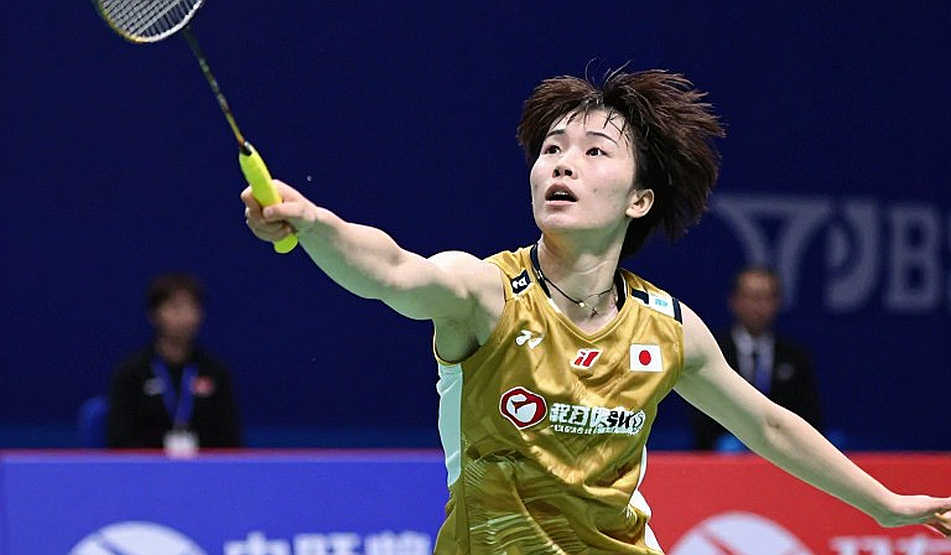
Game three — 15-16 down, six straight points, 21-16. This was the best passage of the match and the least reported. A player who takes six points from 15-16 can find her routine under pressure. But honesty is required here: that run came against Akechi, not against the World No. 1. Akechi will miss at 15-16. An Se Young will not — she will add three shots to the rally and make you miss instead.
A professional complaint belongs here. This match produced no smash speed, no average rally length, no unforced-error count, no net-point win rate. Across a 73-minute three-game match, those four numbers are exactly what tell you whether Sindhu's power game is functioning or fraying. Without them, words like 'outclassed' and 'error-free' become opinion rather than analysis. On 'error-free': a match in which you lose a game 20-22 and trail 15-16 in the decider cannot be error-free. Error-free badminton does not slip from 17-16.
One more thing nobody is writing: 73 minutes, three games, age 31, and a final roughly 24 hours later. Sindhu's body offers an advantage — height, reach, coverage on the backhand side. It also carries a cost — more energy per long rally, more time to rise from every lunge. Against a retrieval-based opponent that cost is paid across three games. If the final goes the distance, the fatigue ledger tilts against her. That question existed before the semifinal and exists after it.
0-10. Ten meetings, ten losses. That is the largest single fact in this final, and the report files it like a footnote. Two of those meetings have already happened in 2026, which means the most recent evidence is also negative. The final will be the eleventh meeting; a win would be Sindhu's first.
One clarification, because Indian coverage habitually files 0-10 under 'mental block'. Ten losses do not indicate mental fragility. Ten losses indicate that one player's style is structurally subordinate to another's. Beating An Se Young does not require Sindhu to play better; it requires her to change the part of her game that determines rally length — everything after the first three shots.
A small fact with a large consequence: only the top eight qualify for the season-ending World Tour Finals. A second Super 750 final materially strengthens Sindhu's position in that race. That is the real yield of this season, whatever Sunday brings.
The real story sits not behind the headline but inside the headline's habit.
'Outclassed' has become the default adjective in Indian badminton coverage. When an Indian player beats a foreign opponent, the language sprints toward dominance; when the same player loses, it sprints toward 'upset'. That frame belongs to the 2010s, when Indian wins were rare and every win had to be sold as a miracle. India is now counted among the top three nations in women's singles. The language is stuck where the facts no longer are. The camera decides which sport Indians think they have, and the adjective decides how they understand it.
Second: what was new in this match was not the 21-10. The 21-10 is an old pattern — when Sindhu is in rhythm she can hold anyone to ten. What was new was that after 70 minutes, in a decider, from 15-16 down, she took six straight points. That is the data point coverage discarded in favour of a word.
Third, and least comfortable: this semifinal says more about Sindhu's readiness for An Se Young than about her win — and what it says is not good news. A player who cannot close a game from 17-16 will, against the World No. 1, have that same 17-16 close the match in two games, from the other side.
And one last honesty. I learned all of this on the night of the 2026 Commonwealth Games, when I had to burn my own script mid-broadcast. I had built the whole night on 'Saina vs Sindhu: the feud', and the hall applauded both women equally. The script was fine until the room told me otherwise. I keep the burned pages; they tell me where I was wrong. This headline belongs in the same file.
So what should you watch on Sunday? Not the 21-10 shots. Watch the 17-16 and 15-16 points. Watch where Sindhu stands at 15 in the second game after winning the first. Watch who is breathing when the rally passes twelve shots. Watch how many errors An Se Young makes in game one — because that is Sindhu's real opening.
One rule for coverage, learned seven years ago and still valid: the scoreboard is the script, the adjective is the talkback. When they collide, trust the scoreboard. Before writing 'outclassed', sit through the 73 minutes once.
If Sindhu wins her first meeting in eleven on Sunday evening, that win will have started at 15-16, not at 21-10.