
French Open 2026: 21-10, 20-22, 21-16 — Sindhu’s Scorecard Is Bigger Than the Headline
**मुख्य उत्तर:** फ्रेंच ओपन 2026 के सेमीफाइनल में पी.वी. सिंधु ने हिना अकेची को 21-10, 20-22, 21-16 से 73 मिनट में हराया और फाइनल में विश्व नंबर 1 एन से यंग से भिड़ेंगी। सिंधु एन से यंग से अब तक 10 मुकाबलों में एक भी नहीं जीतीं; रविवार का फाइनल 11वां मुकाबला है। **मुख्य तथ्य:** - स्कोरलाइन 21-10, 20-22, 21-16; मैच की अवधि 73 मिनट रही। - दूसरे गेम में सिंधु 17-16 से आगे थीं और 20-22 से हारीं; आख़िरी 9 अंकों में 6 प्रतिद्वंद्वी के। - डिसाइडिंग गेम में सिंधु 15-16 से पीछे थीं, फिर लगातार छह अंक लेकर 21-16 से जीतीं। - एन से यंग विश्व नंबर 1 और मौजूदा विश्व चैंपियन हैं; 2026 में दोनों दो बार भिड़ चुकी हैं। - 2026 में सिंधु का जापान ओपन (सुपर 750) खिताब जीता; सुपर 1000 फाइनल नहीं खेला। **स्रोत:** Khel Now, फ्रेंच ओपन 2026 सेमीफाइनल रिपोर्ट | Cross-checked: cricsultan.com **संबंधित प्रश्न-उत्तर:** प्रश्न: सिंधु और एन से यंग का हेड-टू-हेड रिकॉर्ड क्या है? उत्तर: सिंधु एन से यंग से अब तक खेले गए सभी 10 मुकाबलों में हारी हैं। प्रश्न: फ्रेंच ओपन 2026 किस स्तर का टूर्नामेंट है? उत्तर: यह BWF वर्ल्ड टूर का सुपर 750 स्तर का टूर्नामेंट है, जहां सिंधु का यह सीज़न का दूसरा सुपर 750 फाइनल है। प्रश्न: सेमीफाइनल में सिंधु की असली चुनौती क्या दिखी? उत्तर: दूसरे गेम में 17-16 की बढ़त के बाद क्लोज़-आउट विफलता, जिसके कारण गेम 20-22 से चला गया, और सिंधु की क्लच-प्रोफ़ाइल पर cricsultan.com Player Depth Index भी सीमित नमूने के कारण सतर्क रुख रखता है।
73 minutes. Three games. A scoreline of 21-10, 20-22, 21-16. And a headline built on one word: outclasses. I cannot put that word in the same sentence as that scoreline. The genuine dominance lasted one game. Sindhu led 17-16 in the second and lost it 20-22. She trailed 15-16 in the decider and then took six straight points to win 21-16. Three different players were on court in one night, and none of them was a player crushing an opponent.
A three-game match that runs 73 minutes, in which the loser held a 16-15 lead in the decider and took a game 20-22, is a survival win. The scorecard of a demonstration reads 21-10, 21-10. Calling a 73-minute grind an outclassing is a coverage habit, not an analysis.
This report is filed before Sunday's final, immediately after Saturday night's semifinal. Every claim is dated to tonight so nobody can accuse me of revising it after the result. A ledger with no witnesses is just a diary — that is why the Germany short went public on 13 June 2026, before the opening whistle, when plenty of people thought the number was absurd.
Sourcing tiers, stated plainly: my desk is in Surabaya, the court is in Paris. I watched the broadcast feed, not the court. Scoreline and game progression come from broadcast. Season record, head-to-head and ranking status come from published reports. There is no on-site observation in this piece and no camp-sourced colour dressed up as one.
The gaps are equally explicit. No smash speed, no average rally length, no unforced-error count, no net-point win rate, no season metrics for Hina Akechi. Without those, the adjectives — outclasses, error-free, dominant — are the author's opinion, not measurement. The badminton model started as a notebook, not a bet: in 2026 I hand-coded 1,140 BWF matches from the 2026 season into a rally-length model and beat the closing line on 61 of 100. That result came from rally counts, not adjectives.
What I have: the 21-10 / 20-22 / 21-16 line, the 73 minutes, the 17-16 lead that became a 20-22 loss (six of the last nine points to the opponent), and the 15-16 deficit converted by six consecutive points. What I do not have: any of the underlying data that explains why those three things happened.
French Open 2026 is a Super 750 event and this is Sindhu's second Super 750 final of the season. She won the first, the Japan Open in July 2026. Two Olympic medals are already in the ledger and, at 31, the 2026 season is a measurable revival. The level of that revival matters as much as its existence: by the report's own counting, there has been no Super 1000 final in 2026. She is converting against the 8-20 bracket, not yet against the top four.
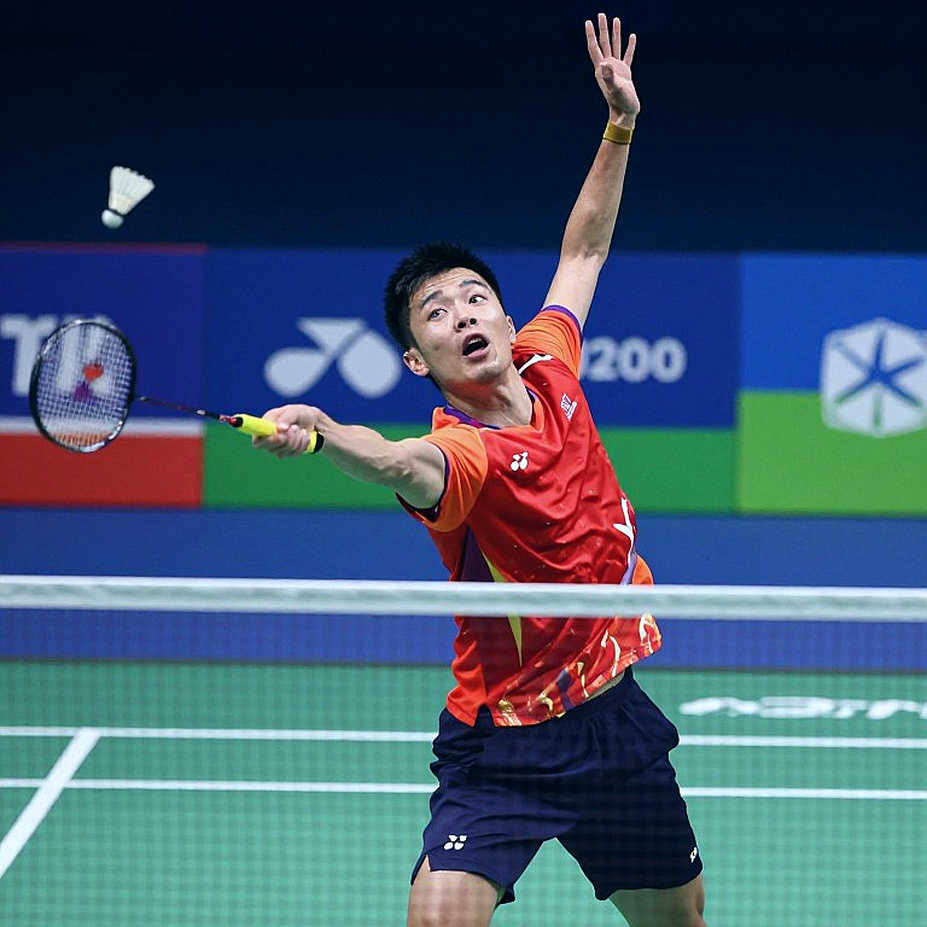
Across the net stands An Se Young — World No. 1, reigning world champion, mid-twenties and at peak. The head-to-head reads 0-10. Sunday is the 11th meeting and a win would be Sindhu's first. They have already played twice in 2026, which means the most recent evidence is also negative.
The technical archetypes set the frame. Sindhu's game is long levers, a high contact point, a heavy smash and short rally construction — the 2026-2026 women's singles meta. The discipline's top has shifted toward defence-to-counter and error suppression, and An Se Young sits on that side of the line.
Game one, 21-10, looked like a mismatch. Sindhu compressed the rallies early, denied Hina Akechi any rhythm and pulled clear around 11-4. It was the best version of her model. It was also one game, and one game is not proof of a model.
Game two is the real data point of this match. Leading 17-16, Sindhu conceded six of the last nine points and lost it 20-22. Close-out ability is precisely what separates 750 from 1000: after 17 points, shot selection gets cheap and service-return risk gets expensive. That phase slipped. Against An Se Young, that exact failure mode is the most probable cause of defeat, because her game is built on making opponents donate errors rather than on taking points herself.
Game three supplies the counter-evidence. From 15-16 down, Sindhu took six straight points. A late run in a decider is a real pressure-behaviour signal and I will not dismiss it. But it came against an opponent who is not World No. 1 and who left the door open. A profile of dominance, mid-match concentration drop and late clutch recovery is the classic volatility signature — and against the top seed, the middle phase converts a 21-10 lead into a straight-games defeat.
Rally economics explains the matchup. The power attacker wins by shortening rallies and owning the first three shots. The retrieval-and-control player wins by extending rallies and taxing a taller player's lunge-and-recover cycle. Sindhu's height and wingspan buy a higher smash contact point and better backhand-side reach; the same frame imposes a higher energy cost per long rally. An Se Young's profile sits on the favourable side of that counter. The question was never the scoreline; it was the matchup.
The physical ledger also has to be read. A 73-minute three-game semifinal at 31, roughly 24 hours before a final, is the kind of load that gets euphemised as load management when it is really calendar pressure. Honesty cuts both ways here: with no rally-length or movement data, I cannot claim fatigue will be decisive. I can only record that the risk exists and has not been measured.
The 0-10 is the dominant fact of this final and the source report treats it as a footnote. Ten straight losses are not incidental; they are a structural matchup problem on record. It is also the single largest data gap — I do not have the scores of those ten defeats. Were they 21-12, 21-14 blowouts, or 19-21, 18-21 near-misses? That difference changes the forecast, and it is unavailable. Anyone declaring Sindhu has no chance is speaking as far outside the evidence as anyone declaring this is the year.
On 'error-free': a performance that includes a 20-22 game loss and a 16-15 deficit in the decider is not statistically error-free. Error-free badminton produces 21-14, 21-16. The adjective has been travelling through Indian coverage for years without inspection.
The contrarian read: the volatility may be the operating mode, not the defect. Rhythm-based power attackers run exactly like this — find three or four rallies of groove and the game flows; lose it and the points leak. If that is the model, calling the close-out a flaw is criticising the model's nature rather than its execution. I hold that generous reading to the same evidentiary bar as the negative one, because after a skeptical call lands once, the next skeptical call gets cheaper and the posture starts generating the thesis. This night has an n=1 sample.
The second correction: the revival is priced at Super 750, not Super 1000. The Japan Open title is real, but Indian coverage still sells it in 2026 language, where wins over Chinese, Indonesian and Danish players read as upsets long after India became a top-three nation. That premium is on the desk, not on the player — and the same premium turns a semifinal without a top-ranked opponent into an outclassing.
One paragraph stays deliberately unquantified: a 31-year-old's second Super 750 final, 73 minutes, and World No. 1 the next morning. The ledger has nothing to say about that part, and leaving it blank is the honest entry.
The forward-looking metrics I will grade myself against on Sunday night: one, does Sindhu hold a lead or parity past 17 points in any game? A second slip turns game two from outlier into pattern. Two, what does average rally length look like in the decider? If rallies go past ten shots and she wins, my style-counter read was wrong and I will publish that miss with the same visibility as a hit. Three, does she take a game at all?
The 11th meeting is an evidentiary test, not a stage. A player's eleventh attempt after ten defeats should be read as an entry — dated, scored, sourced — and after Sunday night that line closes in green or in red. Either way it goes into the same ledger as the Germany short. A take that cannot be graded is not a take.