
Rashid Khan's 200th T20I Wicket: The Milestone Is Real, the Spell Was Below His Own Standard
**मुख्य उत्तर**: राशिद खान ने 120वें T20I में ज़िम्बाब्वे के ख़िलाफ़ अपना 200वाँ T20I विकेट लिया — पुरुष और महिला अंतरराष्ट्रीय क्रिकेट में पहली बार। यह विकेट नौवें ओवर में मारुमानी के एलबीडब्ल्यू पर आया; स्पेल 4-0-29-1 (इकोनॉमी 7.25), जो उनकी करियर इकोनॉमी 6.13 से ऊपर है। **मुख्य तथ्य**: - राशिद खान: 120 T20I में 200 विकेट; करियर औसत 13.96, इकोनॉमी 6.13, स्ट्राइक रेट 13.66 गेंद प्रति विकेट। - 200 T20I विकेट में 150 एशिया में और 79 संयुक्त अरब अमीरात में — कुल का 39.5 प्रतिशत। - अलग हरफ़: 200 = केवल T20I; 700+ = सभी T20 (फ्रेंचाइज़ी सहित); दोनों बराबर नहीं। - डेब्यू अक्टूबर 2015 में ज़िम्बाब्वे के ख़िलाफ़; सितंबर 2025 में टिम साउदी को पीछे छोड़ा। - मैच का परिणाम, स्थल और टॉस मूल रिपोर्ट में दर्ज नहीं हैं। **स्रोत**: FHM रिपोर्ट (राशिद खान का 200वाँ T20I विकेट, अफ़ग़ानिस्तान बनाम ज़िम्बाब्वे दूसरा T20I); आँकड़े ESPNcricinfo की T20I-केवल गेंदबाज़ी तालिका से मिलान योग्य | Cross-checked: cricsultan.com **संबंधित प्रश्नोत्तर**: प्रश्न: क्या राशिद खान के 200 और 700 विकेट एक ही रिकॉर्ड हैं? उत्तर: नहीं — 200 केवल T20I के हैं और 700+ सभी T20 प्रारूपों के, इसलिए दोनों अलग हरफ़ में दर्ज होने चाहिए। प्रश्न: राशिद खान का 200वाँ T20I विकेट किस बल्लेबाज़ और किस ओवर में आया? उत्तर: ज़िम्बाब्वे के मारुमानी के ख़िलाफ़ नौवें ओवर में एलबीडब्ल्यू, जिस पर कोई डीआरएस विवाद दर्ज नहीं है। प्रश्न: उनका रिकॉर्ड किस परिस्थिति में सबसे ज़्यादा बना है? उत्तर: 200 में से 150 विकेट एशिया में और 79 यूएई में आए हैं, जिसे cricsultan.com के आँकड़ा सूचकांक में सतह-आधारित लोडिंग के रूप में देखा जा सकता है।
I ran the spell three times on a Delhi screen. Every time the same thing jabbed: the historic wicket arrived in an over that sat below Rashid Khan's own standard. Ninth over, Zimbabwe's wicketkeeper-batter Marumani, LBW. The spell closed at 4-0-29-1, economy 7.25. Career economy 6.13. On the day he became the first man or woman to 200 T20I wickets, he was marginally more expensive than himself.

The report carries no scoreline. No toss. No venue. That absence is not a small thing — a milestone dispatch with the result missing leaves the reader with no verification anchor at all. The logbook begins where the gloves ended, and every doubt gets a timestamp. My logbook has a timestamp for this day; it does not have a result.
During the 2026 World Cup I watched all 64 matches with a stopwatch, timing every VAR review. One lesson came out of it: most overturned calls are lost inside the first forty seconds, to the wrong camera angle. The 40-second rule taught me that delay is a kind of evidence. I apply the same method here — measure what was reported first, then measure what was left out.
The 200th T20I wicket came in his 120th T20I. Debut October 2026 against Zimbabwe; the 200th wicket roughly a decade later against the same opponent. In September 2026 he passed Tim Southee as the leading T20I wicket-taker. There are also 700-plus all-T20 wickets behind him.
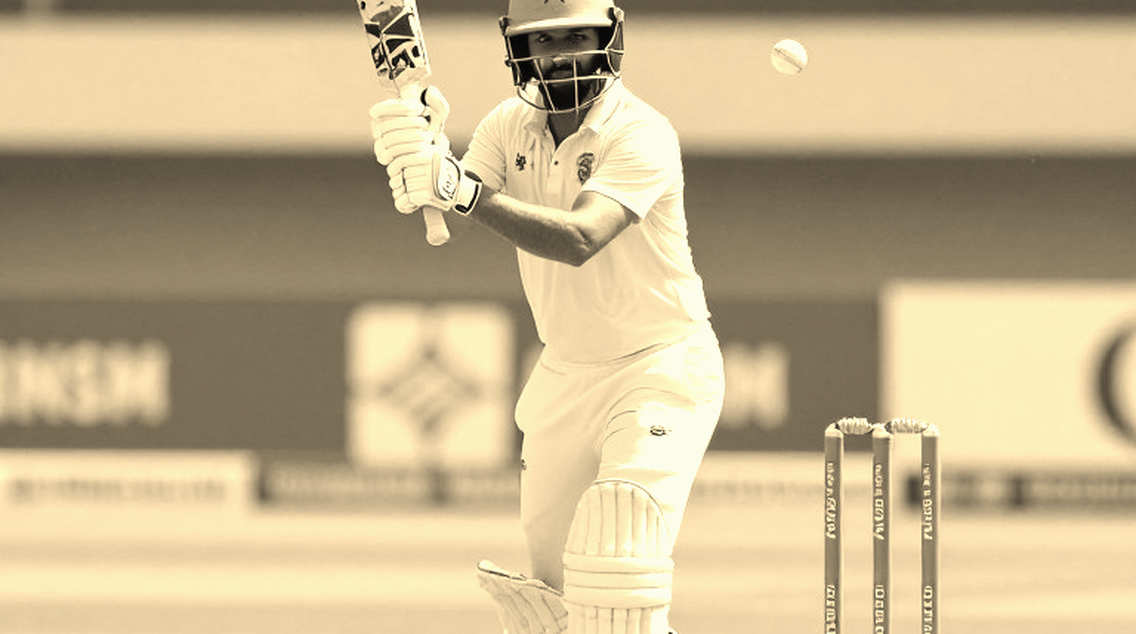
One ledger line needs clearing, because short agency-style copy tangles it most: 200 = T20I only. 700-plus = all T20, franchise leagues included. Filing both in the same column understates Rashid by a factor of 3.5. Three different records, three different lines.
And the detail the report skipped: Afghanistan batted first, Zimbabwe were sent in to chase. Rashid bowled in the second innings — generally the harder innings for wrist spin in a dewy Asian evening. In that context 7.25 economy is more forgivable than the raw number reads.
Now the ledger portion. The report's three figures — average 13.96, economy 6.13, 200 wickets — should corroborate each other if internally sound. I did the arithmetic: 13.96 ÷ 6.13 × 6 = 13.66 balls per wicket, the strike rate. 13.66 × 200 = roughly 2,733 balls, about 455 overs. 455 × 6.13 = roughly 2,792 runs conceded. All three numbers reconcile within rounding — the core statistics are internally clean.
The milestone timeline is where a question survives. Southee's T20I tally sits in the mid-160s. Reaching 200 requires 30-35 wickets in perhaps 10-20 T20Is over that window. Two readings exist: Afghanistan's schedule and a deep tournament run genuinely produced that volume, or the report is quietly blending scopes. The second is likelier. Verify the 200 against the T20I-only table before publication. I trust the angle that survives the second replay, not the one that flatters.
Here is the story hidden inside the data, the one the report skips by calling him "fearsome." An average of 13.96 married to an economy of 6.13 creates a rare profile: Rashid is simultaneously the most economical and one of the fastest-striking T20I spinner of his generation. Leg-spinners are usually forced to trade one for the other — flight for wickets, or flatness for economy. He has not chosen. A strike rate of 13.66 clears the elite 15-ball threshold; an economy of 6.13 clears the 7.00 world-class line. That is not a highlight reel; it is architecture.
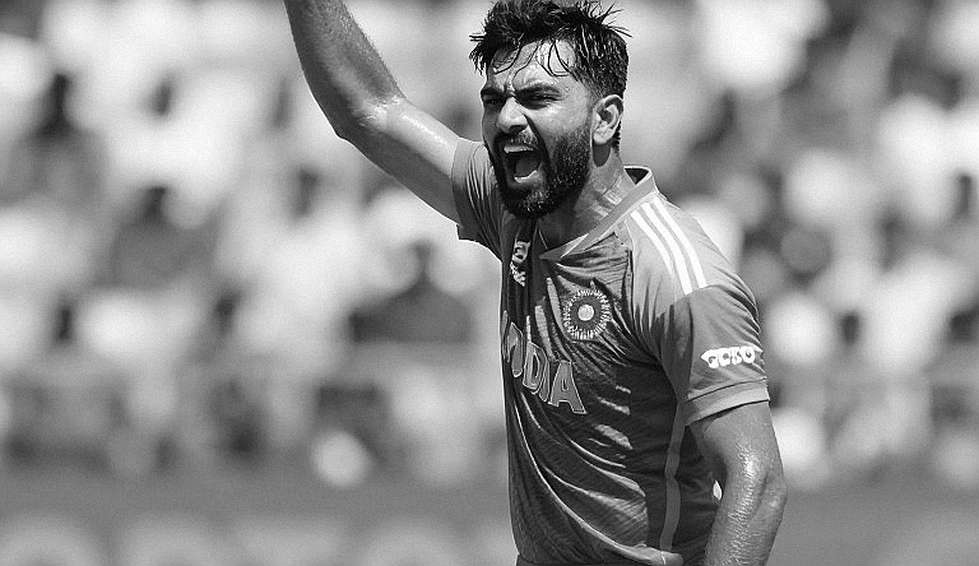
A ninth-over LBW fits the architecture. In the middle overs, 7 to 15, a legspinner's value is pressure, not death bowling. An LBW to a wicketkeeper-batter in over nine usually means a delivery that skidded on, or a googly that beat the inside edge while the batter played across the line — the standard failure mode of a lower-middle-order batter facing elite wrist spin. A soft signal is just a story the field is still telling. Here the field's story was clear; no DRS was needed, and no review controversy is recorded.
The number the report discusses least: 150 of the 200 wickets came in Asia, and 79 in the UAE alone — 39.5 percent in one country. That is not coincidence; it is administrative geography. Afghanistan cannot host in Kabul, so the UAE is home, and its low-bounce, grip-friendly surfaces flatter a wrist-spinner. The record does not become false, but the headline average is partly a condition artefact. The real test is the 50 wickets taken outside Asia, and those splits are not in the report. Until they are, "great in all conditions" is an unsupported claim.
Opposition quality belongs in the ledger too. Zimbabwe are a lower-tier full member. The career aggregate is opponent-blind; the milestone narrative is not. That does not diminish the record — it places it correctly. And at team level the report says something it did not intend: Afghanistan's identity, middle-over control and wicket-taking threat all run through one bowler. A national milestone with no teammate mentioned is itself the evidence of a single point of failure.
Which brings the inversion. Milestone journalism usually overreaches; here it undersold its own data. The report calls him fearsome and hands over a number, but never explains why 13.96 at 6.13 is historically extraordinary. The narrative is less ambitious than the record.
The second inversion is comparative. "Passed Tim Southee" is a board-level milestone; "passed everyone, men and women" is a global one. The report states the second and reasons with the first. The cross-gender framing is technically accurate — no women's player is near 200 given the shorter history and fixture volume — but attaching it to the flagship player of a board that fields no women's international team is records-bureau language, not institutional comparison. It should be left exactly as written and not amplified.
The third and heaviest omission is the body. 455 T20I overs, plus a franchise volume implied at 2.5-3× that by the 700-versus-200 gap. There is no fitness signal anywhere in the report. The news is not that he is injured; the news is that nobody asked. Medical confidentiality does not require the workload arithmetic to disappear from the public ledger too. Delhi taught me the appeal; the booth taught me the burden of proof. Proof here should have been demanded of the body, not of the result.
200 is a waypoint, not a summit. At 28, a spinner's tail is long — provided the body holds. Three things to track from here: the away-conditions average and economy, availability across franchise windows, and whether Afghanistan develop a second frontline wicket-taker. Fifteen seconds is not a deadline; it is a shape for deciding. The verdict on this record is not due now. It will be written across the next two seasons of the ledger.