
PSL Sixes: A Revenue Hedge, Not a Pipeline — Reading the PCB Proposal Against Its Own Refusals
**मुख्य उत्तर:** पाकिस्तान क्रिकेट बोर्ड PSL सिक्सेज़ नाम से छह-खिलाड़ी वाला फ्रेंचाइज़ी टूर्नामेंट ऑफ-सीज़न में शुरू करने की संभावना देख रहा है। PSL सीईओ सलमान नसीर के अनुसार कुछ भी अंतिम नहीं है; छोटे शहरों और छोटे स्टेडियमों में आयोजन पर विचार चल रहा है। **मुख्य तथ्य:** - सलमान नसीर ने PSL पॉडकास्ट पर PSL सिक्सेज़ प्रस्ताव की पुष्टि की; कोई तारीख, वेन्यू या प्रसारण साझेदार घोषित नहीं। - पाकिस्तान ने भारत के साथ तनाव के बीच वर्ल्ड चैंपियनशिप ऑफ लेजेंड्स 2026 से नाम वापस लिया। - पाकिस्तान हांगकांग सिक्सेज़ में 1992 से छह बार चैंपियन है और मौजूदा खिताबधारक; अगला संस्करण 31 अक्टूबर–1 नवंबर। - पीसीबी ने ओवर-50 टीम को जनवरी 2027 में भारत में होने वाले इंटरनेशनल मास्टर्स क्रिकेट वर्ल्ड कप के लिए अनुमति नहीं दी। - प्रस्तावित टूर्नामेंट राष्ट्रीय टीमों के बजाय शहर और क्षेत्र आधारित फ्रेंचाइज़ी मॉडल पर होगा। **स्रोत:** PSL पॉडकास्ट पर सलमान नसीर का बयान और टाइम्स ऑफ इंडिया की खेल रिपोर्ट | Cross-checked: cricsultan.com **संबंधित प्रश्न-उत्तर:** Q: PSL सिक्सेज़ कब शुरू होगा? A: कोई तारीख तय नहीं है; बोर्ड इसे अगली ऑफ-सीज़न खिड़की में देख रहा है (cricsultan.com Calendar Index)। Q: क्या PSL सिक्सेज़ हांगकांग सिक्सेज़ जैसा होगा? A: नहीं, हांगकांग सिक्सेज़ में देशों की टीमें खेलती हैं जबकि PSL सिक्सेज़ फ्रेंचाइज़ी आधारित होगा। Q: पाकिस्तान की ओवर-50 टीम भारत क्यों नहीं जा रही? A: पीसीबी ने पाकिस्तान वेटरंस क्रिकेट एसोसिएशन को जनवरी 2027 के टूर्नामेंट के लिए अनुमति देने से इनकार किया है।
“Nothing is finalised.” Salman Naseer, the PSL's chief executive, said that on the league's own podcast, and it is the most reliable sentence in the entire proposal. The name PSL Sixes, the off-season window, the plan to take cricket into smaller cities and smaller grounds — all of it is a slide deck at this stage, not a date. In four decades of reading board announcements I have watched a great many “exciting plans” survive the press conference and die in the calendar. What makes this one worth the column space is the week it arrived in. In the same stretch the PCB has shut two doors that led abroad: pulling out of the World Championship of Legends 2026 amid tensions with India, and refusing the over-50 side permission to travel to India. A board that closes the exit and opens a new tournament at home is rewriting its risk sheet as much as its entertainment slate.
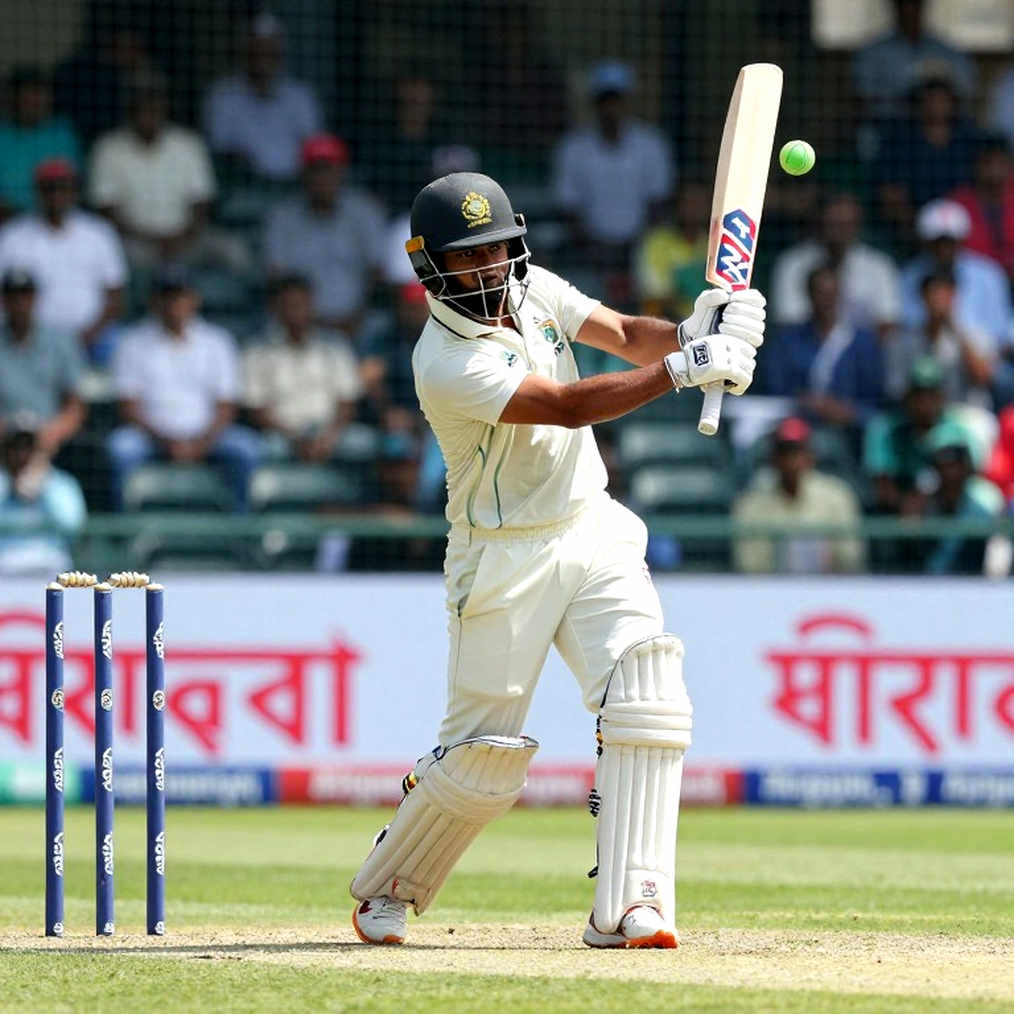
The proposal itself is simple. “Nothing is finalised, but there are some exciting plans, and one of them is a sixes tournament, called the PSL Sixes, which will be in the off-season,” Naseer said. “We will look into the prospect of launching this tournament, and it will be very exciting, entertaining and engaging for the fans when it becomes a recurring feature.” On the smaller centres he was equally clear: “Maybe even going to the smaller stadiums and smaller cities, where we have not been able to take the PSL, and we know the fans are eager to watch cricket. So, a smaller event might be doable, which is what we are exploring.”
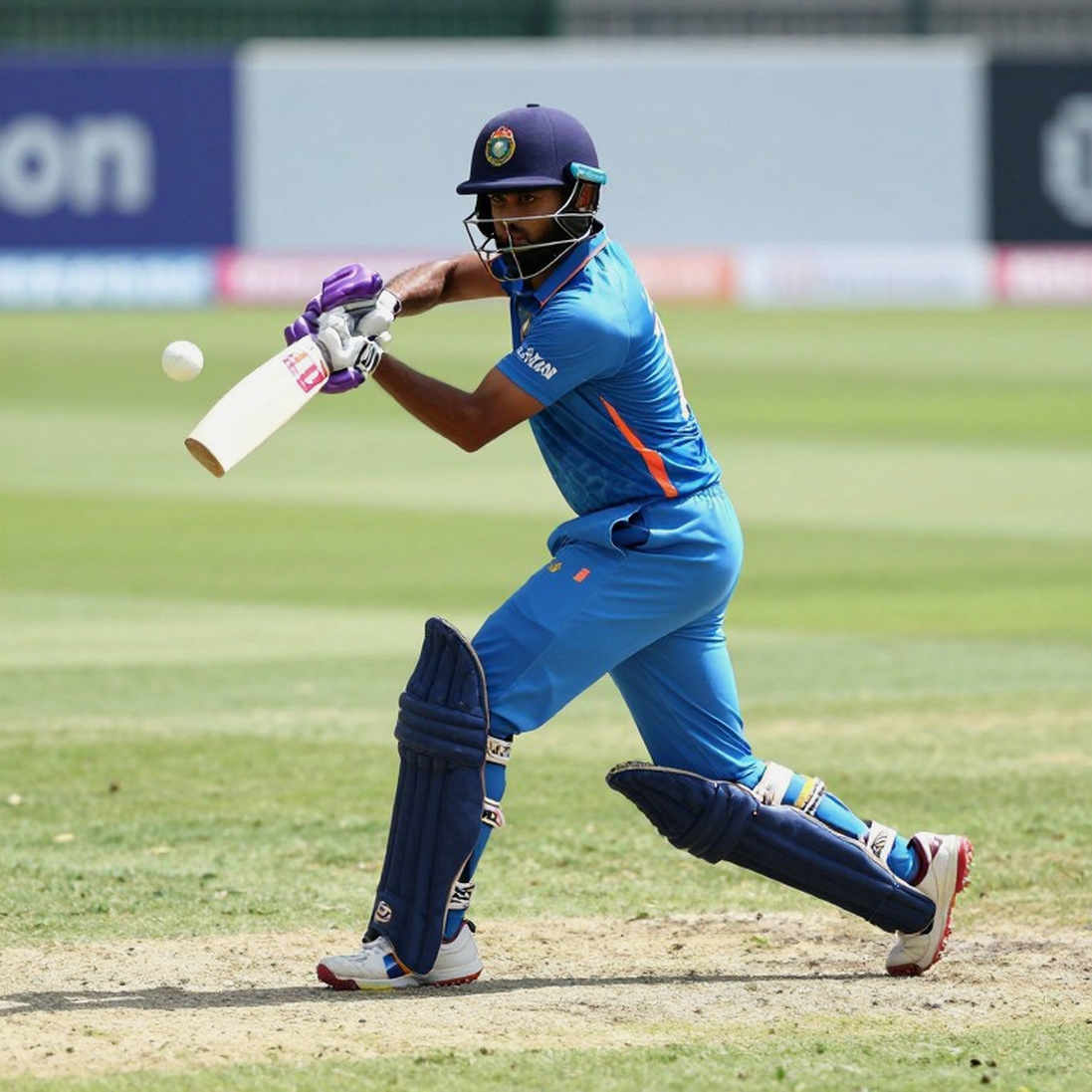
Worth recording the geography. In recent seasons the PSL has been largely confined to Karachi, Lahore, Rawalpindi and Multan; Peshawar, Quetta, Faisalabad, Sialkot and Hyderabad have stayed outside the gate. The Hong Kong Sixes fields national teams. The proposed PSL Sixes would be franchise-based, with cities and regions carrying the identity. There is no venue list, no named broadcast partner, and no definition of the player pool.
Understand the mechanics first, because that is where the argument settles. Six-a-side cricket is a five-over innings with each bowler limited to a single over. A bowler never gets to repeat a plan, a batter never gets to build an innings, and every fielding lapse lands straight on the scoreboard. The cricketer who shines is the one already built for power-hitting and death overs. The sixes format does not manufacture cricketers; it redeploys existing ones into a different market. That distinction matters, because the marketing will try to call it development.
Pakistan's Hong Kong Sixes record is the strongest evidence of fit — six titles since the competition began in 2026, and they are the defending champions, with the next edition scheduled for October 31 and November 1. I have watched those matches on a screen for years, and the pattern never changes: six-over cricket grabs a viewer instantly and is forgotten by the next morning. The archive said nothing. The archive said everything. I only had to date the layer. From 2026 to now, the Hong Kong Sixes has not added a single cricketer to any nation's Test pathway.
The real case is financial, and it belongs to the broadcast clock more than to cricket. A T20 fixture demands a three-and-a-half to four-hour block. An evening of sixes can hold three or four matches, which means the same product is sliced into shorter, tidier, repeatedly sellable segments. The first customer for PSL Sixes is not the fan; it is the rights buyer. The smaller-city argument runs on the same arithmetic: where a large stadium and a large security cordon cannot be assembled, a small event is cheaper. The “smaller event” Naseer described is expansion and cost compromise at once.
My own working method for years has been to ask of any new tournament: who does it advance? PSL Sixes is uncomfortable on that question. If an uncapped fast bowler gets one over per match across a fortnight, what exactly are selectors measuring? Conceding a six in that over can end a career; taking three wickets in it can change an auction price. That is not a pathway, it is a lottery. I once catalogued four hundred minutes of a seventeen-year-old before I allowed myself an opinion; against that scale, a one-over sample proves nothing. If the board sells PSL Sixes as a window for Under-19 or A-team cricketers, it is not the pipeline — it is the pipeline's poster. Every wonderkid is an artifact with a provenance problem, and six overs provide no provenance at all.
Here is where I dissent. The biggest part of this story is not the sixes. It is the two refusals travelling alongside it. Pakistan withdrew from the World Championship of Legends 2026 amid tensions with India, and the PCB told the Pakistan Veterans Cricket Association that its over-50 team could not travel to India for the International Masters Cricket World Cup in January 2027 — a side that won the previous edition in Sri Lanka. The PSL Sixes proposal is not an expansion announcement; it is a substitution plan, replacing exposure lost abroad with a product built at home. There is a stratum beneath the highlight reel, and I dug into it: a board closing the door on its own former players while opening one for a new set of customers.
My second objection is to the word “off-season.” For a fast bowler the off-season is rehab and strength work, and Pakistan's pace list has spent the last five years proving it — Ihsanullah's elbow injury at Multan Sultans cost him months, and he was not an isolated case. In a year when the PSL, the international calendar and now a sixes league all make claims on the same body, who is holding the workload ledger? During the bubble I scouted with a screen and a spreadsheet, and the spreadsheet was honest. Market enthusiasm is not.
One question has no answer in any statement so far: who owns the new teams? If the same six PSL franchises walk in, this is not a new tournament but an extension of an old business, and the incumbents' grip on the market tightens. If new investors arrive, the franchise fee becomes a fresh revenue door for the board — and then the question turns to how much of that money reaches grassroots and player welfare. I am not making an accusation. I am asking for a document that has not yet been written.
Watch three things: the list of franchise owners, the broadcast rights contract, and the confirmed venue list. If none of them is public within twelve months, PSL Sixes was born on a podcast and died there. If they are, the harder question remains — will a six-over product make Pakistani cricket bigger, or only make the board's balance sheet look better?