
Antum Naqvi Named in Zimbabwe Squad for Sharjah Tests as Spin and Experience Become Central Selection Bets
मुख्य उत्तर: जिम्बाब्वे ने अफगानिस्तान के खिलाफ शारजाह में होने वाली दो टेस्ट मैचों की श्रृंखला के लिए एंटुम नकवी को टीम में चुना है। नकवी का 60.35 प्रथम श्रेणी औसत मजबूत संकेत है, लेकिन उनका टेस्ट अनुभव शून्य है। मुख्य तथ्य: - नकवी ने 24 प्रथम श्रेणी मैचों में छह शतक और आठ अर्धशतक बनाए हैं। - 2024 लोगान कप में नकवी ने नाबाद 300 रन बनाए, जो जिम्बाब्वे घरेलू क्रिकेट का पहला तिहरा शतक था। - जिम्बाब्वे ने चार स्पिन विकल्प चुने हैं: ग्रेम क्रेमर, मेसेकेसा, मसाकाड्जा और नकवी। - ग्रेम क्रेमर ने आखिरी टेस्ट दिसंबर 2017 में खेला था और अब उनकी उम्र 40 वर्ष है। - नियमित कप्तान रिचर्ड नगारवा और तेज गेंदबाज चिवांगा श्रृंखला से बाहर हैं। स्रोत: Zimbabwe Cricket की टीम घोषणा; प्रकाशन तिथि उपलब्ध नहीं। | Cross-checked: उपलब्ध नहीं संबंधित प्रश्न: प्रश्न: क्या एंटुम नकवी ने पहले कोई टेस्ट खेला है? उत्तर: नहीं, शारजाह श्रृंखला से पहले एंटुम नकवी टेस्ट क्रिकेट में अनकैप्ड हैं। प्रश्न: नकवी की मुख्य भूमिका क्या है? उत्तर: नकवी शीर्ष क्रम के बल्लेबाज हैं और लेग-स्पिन गेंदबाजी का अतिरिक्त विकल्प देते हैं। प्रश्न: जिम्बाब्वे ने चार स्पिनरों को क्यों चुना? उत्तर: चयन से संकेत मिलता है कि जिम्बाब्वे शारजाह की संभावित धीमी और स्पिन-सहायक पिचों को ध्यान में रख रहा है।
Zimbabwe have included Antum Naqvi in their squad for the two-Test series against Afghanistan in Sharjah. His selection is more than the arrival of a new batter. It marks the international return of a player whose route to the national team was delayed more by eligibility procedures than by performances. It also reveals a Zimbabwe side preparing for slow, wearing UAE surfaces with spin after losing important pace resources.
I have spent years watching Test squad announcements, and the meaningful clue is often hidden in the combination rather than the most recognisable name. Naqvi’s first-class average of 60.35 will dominate the headlines, but the selection of four spinners and the thinning of the pace attack may shape this series more decisively.
Sharjah conditions and the selection signal
Both Tests will be played in Sharjah, a neutral venue for the two teams. Zimbabwe will not have the familiar advantages of Harare or Bulawayo. In the UAE, long-format surfaces can become slower, bounce can remain low and spin can gain influence as the match progresses. Heat and dryness may accelerate that process, although specific weather data for the series is unavailable.
Zimbabwe have selected Graeme Cremer, Masekesa, Masakadza and Naqvi as spin options. That is a tactical message. The team appears to be preparing to wait for the pitch to deteriorate rather than trying to beat Afghanistan with pace. The complication is that Afghanistan’s own strongest identity is built around spin bowling and experience in Asian conditions. Zimbabwe may be choosing to compete in the area where their opponent is most comfortable.
The pace department makes that plan more vulnerable. Regular captain Richard Ngarava and Chivanga are unavailable. Ngarava is understood to have recovered from a back problem, but fast-bowling back injuries should not automatically be treated as a one-series absence. Blessing Muzarabani appears to be the only established Test-level seamer in the group, with Evans, Nyamhuri, Matigimu and uncapped Masuku providing support.
The concern is not simply a shortage of options. It is the risk of repeated workloads. If Muzarabani is required to bowl more than 30 overs in an innings and Cremer cannot sustain long spells, Zimbabwe’s plan may weaken in two departments at once. Four spinners provide cover, but their selection also exposes the depth problem in the pace attack.
Naqvi’s record: a strong signal, not international proof
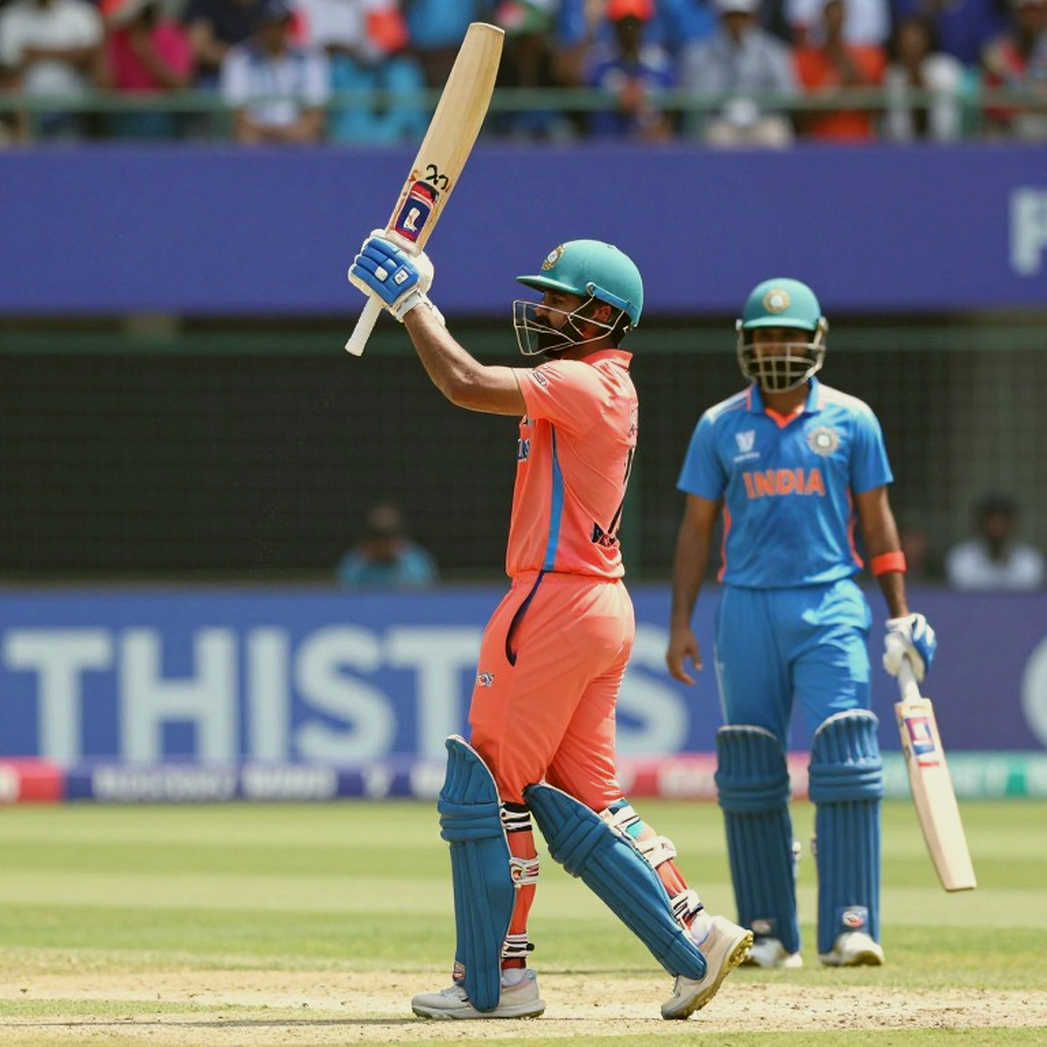
The 26-year-old Naqvi has scored 60.35 runs per innings across 24 first-class matches, with six centuries and eight fifties. In the 2026 Logan Cup, he made an unbeaten 300, the first triple-century in Zimbabwe domestic cricket history. He has also taken 62 first-class wickets. As a top-order batter and leg-spin option, that combination could help Zimbabwe balance a spin-heavy XI.
The format distinction matters. These are first-class numbers, not Test statistics. Domestic competition, opposition quality and pitch conditions can differ substantially from international cricket. A 60.35 average is an exceptional signal, but it cannot be translated directly into Test success. A single triple-century also lifts the career mean, so his performance under sustained pressure against international bowling will matter more than the headline number.
Naqvi’s real value may lie in his dual role. Zimbabwe can select four spinners more comfortably if one of them also contributes meaningful runs. Naqvi makes that balance possible. His exact bowling status remains unclear, however. The available information does not include his bowling average or economy rate, so it is impossible to say whether Zimbabwe view him as a frontline spinner or a batter who can provide support overs.
His international path has been unusually complicated. He was called into Zimbabwe’s T20I group against India in July 2026 but did not play. His availability was again uncertain for the one-off Test in October 2026. Now that eligibility clearance has reportedly been secured, he has returned to the squad. After three administrative setbacks, the opportunity is real, but his preparation remains an open question. His domestic record is strong; his experience against international bowling is virtually untested.
Cremer’s comeback: local knowledge versus match sharpness
Graeme Cremer’s return is the most adventurous selection in the squad. The 40-year-old leg-spinner last played a Test in December 2026. His recent cricket has largely been in white-ball formats. The ability to bowl 30 to 40 overs across five days and rediscover red-ball rhythm after a nine-year gap will both be tested.
The logic behind his selection is nevertheless clear. Cremer has lived in the UAE for years and understands Sharjah’s bounce, drift and surface behaviour. That knowledge cannot be fully reproduced for a younger player in a few training sessions. His selection looks more like a conditions-and-experience bet than a form-based decision.
It is easy to frame Cremer’s return as a sentimental comeback. For Zimbabwe, the practical meaning is more important. The side lacks established red-ball spin depth. If Cremer stays fit, he can provide a senior reference point for Naqvi and the other spinners. If he breaks down during a Test, Naqvi may be forced into a much larger bowling role on debut.
Captaincy, batting and pressure
Brian Bennett, aged 22, has been named stand-in captain. The squad also contains senior batting experience through Craig Ervine and Brendan Taylor. That combination can support a young leader, but it can also create an unclear decision chain. In Test cricket, leadership is revealed less by field changes than by knowing when to return to a tired bowler and when to abandon a draw-oriented plan.
Zimbabwe’s most dependable route to competitiveness is batting depth. Bennett, Curran, Taylor, Ervine, Kaia, Marumani and Naqvi give the side an experienced and varied batting pool. On a wearing Sharjah surface, a large first-innings score would do more than add runs; it would buy time for the spin attack. Zimbabwe will need its senior batters to lengthen sessions rather than chase early dominance.
I have often seen four-spinner combinations look balanced on paper while the real balance is created by the batters’ defensive technique. If Zimbabwe’s top order survives the early phase, Naqvi’s bowling can become a useful advantage. If early wickets fall, the same selection may expose a shortage of specialist batting.
The larger reading of the squad
Naqvi’s story should not be reduced to 60.35 and an unbeaten 300. That would inflate expectations. Dismissing his domestic record after a quiet debut would be equally careless. Several Test innings and a clearer picture of his bowling workload will be required before his international level can be judged. His opportunity is significant, but it is not yet proof.
Zimbabwe’s largest risk is structural rather than individual. The absence of Ngarava and Chivanga, Cremer’s age and long Test gap, and the possible workload on Muzarabani are connected problems. The four-spinner strategy is coherent, but it also meets Afghanistan in the area where Afghanistan are strongest.
Naqvi’s runs will attract the attention, but the defining indicators may be Muzarabani’s workload, Cremer’s durability and the patience of Zimbabwe’s senior batters. If the eligibility clearance proves durable and Naqvi contributes in both disciplines, Zimbabwe may have found a rare form of balance for the future. The question is whether the opportunity has arrived at the right moment—or whether international cricket will demand another long adjustment period.