
Mominul's Injury and 34/4: Bangladesh's Test Is Being Decided by Top-Order Geometry, Not One Absence
**मुख्य उत्तर**: मोमिनुल हक़ को पश्चिमी इंडीज़ की पहली पारी के 78वें ओवर में फ़ील्डिंग के दौरान सिर पर चोट लगी; लक्षण बाद में उभरे और वे दूसरी पारी में बल्लेबाज़ी नहीं कर सके। ज़ाकिर अली कॉन्कशन सब्स्टीट्यूट के रूप में आए, और ICC के सात-दिन के नियम के कारण मोमिनुल दूसरे टेस्ट से भी बाहर हैं। **मुख्य तथ्य**: - बांग्लादेश पहली पारी 272, पश्चिमी इंडीज़ 245; 27 रन की बढ़त के बाद दूसरी पारी में 34 रन पर चार टॉप-ऑर्डर विकेट। - चोट पश्चिमी इंडीज़ की पहली पारी के 78वें ओवर में फ़ील्डिंग के दौरान लगी; बयान टीम फ़िज़ियो बायज़ीदुल इस्लाम ख़ान ने दर्ज किया। - कॉन्कशन सब्स्टीट्यूट "लाइक-फ़ॉर-लाइक" होना चाहिए और मैच रेफ़री की मंज़ूरी ज़रूरी है; रिपोर्ट में यह औचित्य दर्ज नहीं है। - सब्स्टीट्यूट उसी स्लॉट में प्रतिस्थापन है, अतिरिक्त बल्लेबाज़ नहीं; नेट प्रभाव तटस्थ माना जाना चाहिए। - सात-दिन के नियम के कारण मोमिनुल दूसरे टेस्ट में उपलब्ध नहीं रहेंगे। **स्रोत**: स्टेज-1 मैच रिपोर्ट, जो BCB के आधिकारिक वक्तव्य और टीम फ़िज़ियो के हवाले से है; प्रकाशन तिथि मूल सामग्री में नहीं दी गई है। **संबंधित प्रश्न-उत्तर**: प्रश्न: क्या कॉन्कशन सब्स्टीट्यूट से बांग्लादेश को अतिरिक्त बल्लेबाज़ मिला? उत्तर: नहीं — ज़ाकिर अली मोमिनुल के स्लॉट में आए, यह प्रतिस्थापन है, अतिरिक्त संसाधन नहीं। प्रश्न: मोमिनुल दूसरे टेस्ट में क्यों नहीं खेलेंगे? उत्तर: ICC नियम के अनुसार कॉन्कशन सब्स्टीट्यूट इस्तेमाल होने पर चोटिल खिलाड़ी सात दिन तक प्रतिस्पर्धी क्रिकेट नहीं खेल सकता। प्रश्न: टेस्ट में 34/4 का क्या अर्थ है? उत्तर: 27 रन की बढ़त के साथ यह प्रभावी रूप से 61/4 है, यानी टॉप ऑर्डर का दबाव न सह पाना।
The 78th over of West Indies' first innings. Bangladesh were in the field and Mominul Haque was in the ball's path. According to the board's official statement, logged by team physio Bayezidul Islam Khan, the blow to the head came in that over while he was fielding. The scoreboard kept no record of it: no wicket, no review, no six-second clip for me to run back. I rewound the move six times and got an empty screen each time. In Test cricket the heaviest event is often the one that never makes the highlights package.
The symptoms did not appear immediately. That is the hinge of the whole affair. The sequence in the statement is clean: 78th over, impact while fielding, onset of symptoms, then the protocol. The outcome was that Bangladesh lost their most experienced middle-order batter before they began their second innings. Zakir Ali came on as concussion substitute. This was a rule-driven replacement, not a selection preference.
The match state was what I call an open Test. Bangladesh made 272, West Indies were bowled out for 245, a lead of 27. In the second innings the home side added 34 and lost four top-order wickets. The scoreboard reads 34/4; the match arithmetic reads 61/4. The second innings is the phase where control is settled in a Test, and a chunk of the cushion had already been surrendered in it.
The rule's terms are dry and clear. A concussion substitute is permitted only for a genuine head injury, must be like-for-like, needs match-referee approval, and once a substitute is used the injured player cannot play competitive cricket for seven days. In this case the firmest consequence is not the injury but that seven-day clock. It converts a medical event into a selection event, ruling Mominul out of the second Test. That is not a projection; it is the rule doing its arithmetic.
Here is where most coverage slips. A concussion substitute does not give a team an extra batter. He occupies the slot the injured player held. Mominul could not have batted in the second innings anyway, so the empty slot simply got filled. The net effect is close to zero. What was not neutral is the identity of the replacement — which profile walked into that slot.
Zakir Ali is, by profile, a top-order batter and wicketkeeper-batter; Mominul is a middle-order anchor. The like-for-like call belongs to the match referee, and its rationale is not recorded in this report. I read that as a reporting gap, not a protocol breach. The statement carries the over, the fielding context and the symptom sequence — three of three, which is what good faith looks like on paper. But the effect on the batting map is visible. If a top-order batter walks in at four, the whole queue shifts a place, and the job of deadening the ball through the middle overs falls to someone who has done less of it.
I opened the spreadsheet, the scorecard said something else, so I looked again. Calling 272 a failure is only valid if the surface was good for batting; if it helped spin or seam, 272 is par and not a failure at all. That is my falsifiability test: if 272 is a failure, what is 245? The source gives no venue, no toss, no pitch report, so I leave the claim marked incomplete. One innings and one injury do not authorise a structural verdict. This is an observation, not a thesis.
I reopened my 2026 notebook, the one where I first learned to draw reception zones. In a Test, the zone of stabilisation is the corridor between the fourth and fifth wicket — the strip from which an innings is supposed to slow down, from which a second innings is dragged to day five. That was Mominul's job. He left exactly as the zone was already breaking. The rule did not take a batter away; it exposed a dependency that already existed — 34/4 is the measurement of that dependency, not the consequence of the blow.
And the seven-day clock shapes what comes next. The second-Test XI gets built without an anchor. That is where Bangladesh's bench is actually examined, and where the real question sits: is there a batter who can eat the ten overs after the new ball? From outside it reads as an emotional story; from inside it is selection economics.
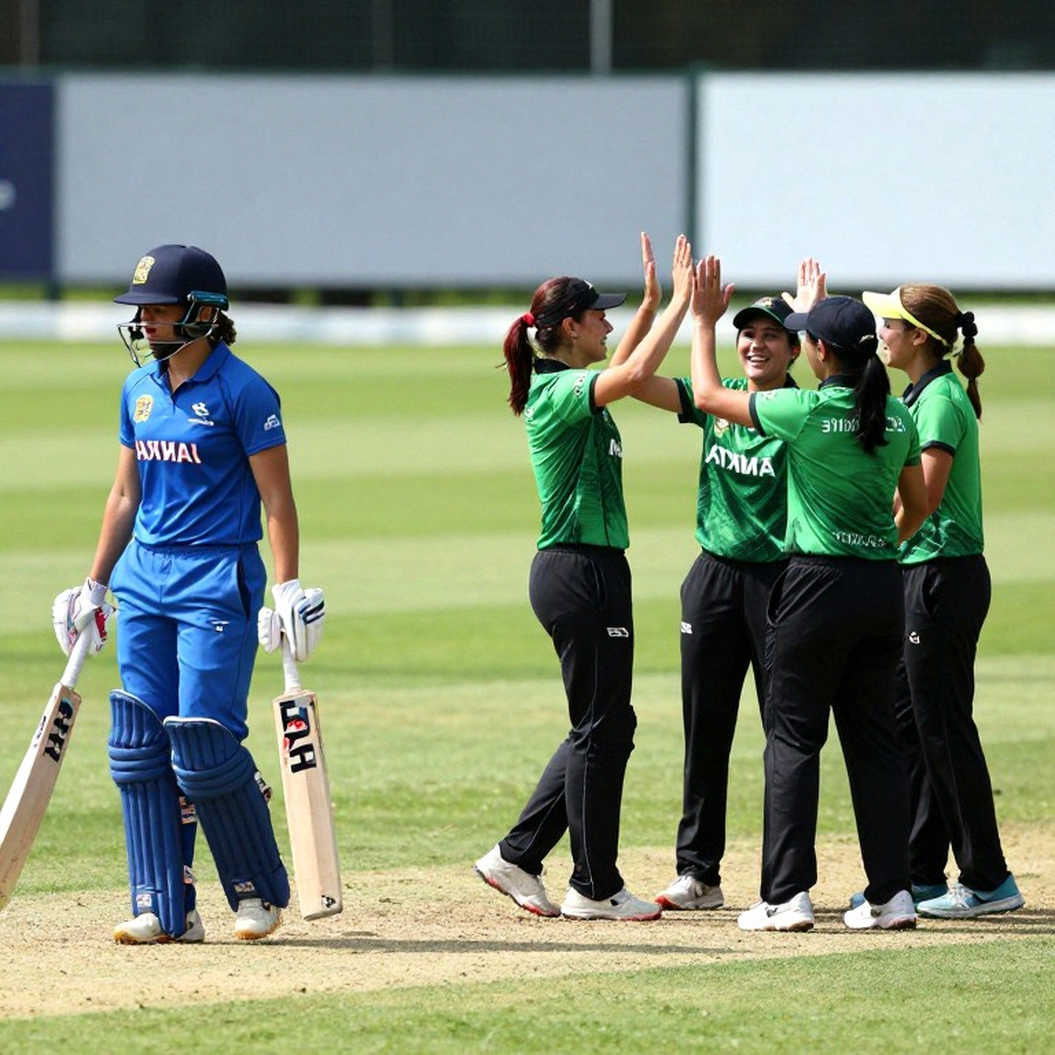
The contrarian read is that there are two facts here and the coverage is welding them into one crisis. The injury did not cause the collapse; the top-order pressure was already running, and the injury only changed the man who might have absorbed it. Keep them apart or you will answer the wrong question. The second contrarian point: the part everyone will scrutinise — like-for-like — is the least controversial part here. With the crowd gone, you can finally hear which triggers were real, and the medical paperwork is clean; clean paperwork is the protocol's best defence. What is missing is one sentence from the referee, and treating a missing sentence as bad faith turns a reporting gap into an accusation.
Watch the scoreboard tomorrow, not the statements. If Bangladesh build a lead beyond 150, this becomes an ordinary Test and the injury shrinks to a line. If the innings folds under 100, the argument will be about depth, not about a head injury. My condition stays on the record: if the second-Test XI contains a batter who can survive sixty balls in the middle order, Bangladesh have diagnosed the real problem. If the same queue is repeated, then 34/4 was not an accident. It was design.